The Art of Words: A Power That Arms Without Weapons
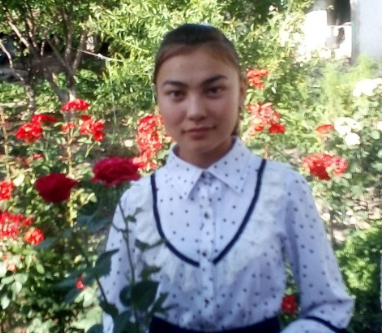
By Abduqahhorova Gulhayo, Uzbekistan
Throughout human history, there has been a force sharper than a sword and more valuable than gold — the word. The art of words transforms this force from a random sound into a power capable of shaking human consciousness. It lives in the actor’s voice on stage, in the speaker’s speech from the podium, and in the writer’s soul on the page.
The art of words is not merely the ability to speak beautifully. It is the art of expressing thought with responsibility. Every word carries an impact: it can inspire someone, break someone, or sometimes change the direction of an entire society. History shows us that some speeches have ignited wars, while others have brought them to an end.
In today’s age of information, the value of words has entered a paradoxical state: words have multiplied, but the art of words has diminished. Thousands of statements are made on social media, yet only a few awaken thought. True word artistry demands reflection, not haste. It is born in silence and spoken with responsibility.
The most important quality of the art of words is sincerity. Artificially embellished sentences are quickly forgotten, but a simple word spoken from the heart lives on. That is why the most powerful speeches rely not on complex expressions, but on clear and honest ideas. A true master of words does not defend the self with words, but the truth.
The art of words is also a tool of education. A child first discovers the world through words. A single sentence spoken to them can leave a mark that lasts a lifetime. Therefore, the art of words is not only a responsibility for creators, but for every conscious individual.
In conclusion, the art of words is not a celebration of language, but a celebration of thought. To lose it is to lose the ability to think. To preserve it is to preserve society itself. Weapons may break and wealth may disappear, but a word spoken truthfully lives on from generation to generation.

Leave a Reply